
Our Manufacturing Roots Began with Mold Manufacturing
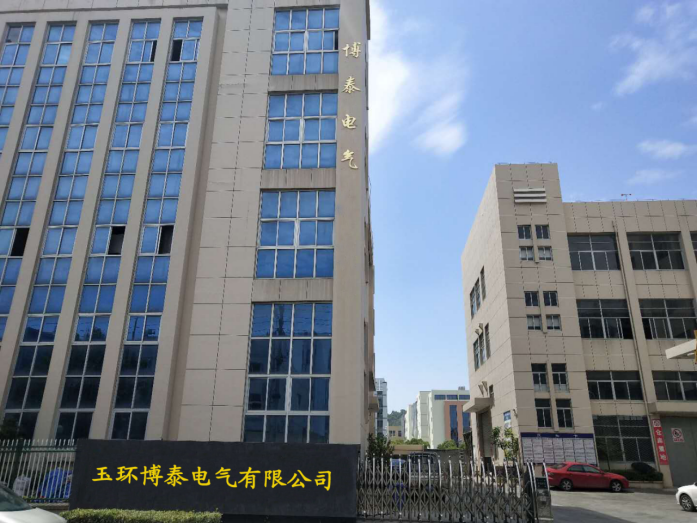
Yuhuan Botai Electric Co., Ltd. is located in Yuhuan, Zhejiang, China. We focus on manufacturing customized copper and aluminum conductive components for medium- and high-voltage electrical equipment.
But Botai did not begin with electrical components.
Our manufacturing background dates back to 2002, when Yuhuan Sanhe Mold was established. The early business focused on Mold Design, Mold Development and Mold Manufacturing.
In 2005, we began manufacturing automotive components. In 2010, we started independently developing components for medium- and high-voltage electrical equipment. Yuhuan Botai Electric Co., Ltd. was established in 2013.
This background in Mold Manufacturing continues to influence the way we develop electrical components today.
When we receive a customer drawing, we do not only look at the final dimensions of the part. We also consider how the raw material should be formed, how the Mold should be designed, which areas require precision machining, and how the complete manufacturing process can be made suitable for stable production.
For us, a drawing is not only a description of the finished component. It is also the starting point for developing the manufacturing process.
What Does Botai Manufacture?
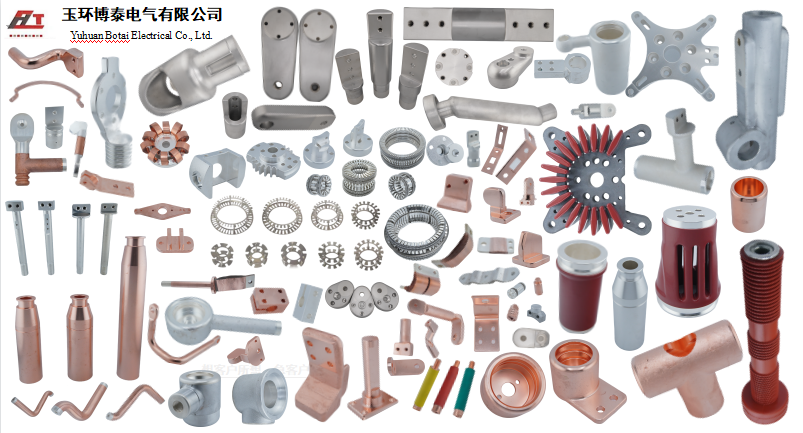
Today, Botai focuses on customized copper and aluminum conductive components used inside medium- and high-voltage electrical equipment, with product applications covering 10–500 kV equipment.
Our products include:
- 1. Tulip contacts, fixed contacts, moving contacts and related contact components
- 2. Contact arms and conductive rods for vacuum circuit breakers
- 3. Copper and aluminum terminals and connection components
- 4. Copper and aluminum conductors for GIS and RMU equipment
- 5. Flexible copper connections
- 6. Forged copper and aluminum conductive components
- 7. Cold- and warm-extruded conductive components
- 8. Customized conductive components manufactured according to customer drawings
For transformer-related applications, our current product scope focuses on transformer terminal and connection plates, as well as copper components and related connection plates used inside ultra-high-voltage transformer bushings.
Many of these components are not standard products.
Their dimensions, materials, contact structures, surface treatments and manufacturing processes vary according to the customer's equipment design.
This is why customized manufacturing is an important part of our work.
Why In-House Mold Development Matters
One of Botai's important manufacturing capabilities is our own Mold Development Center.
For many customized conductive components, the Mold is closely connected to the final manufacturing process.
When a new component is developed, we need to consider how the material should flow during forming, how many forming operations are required, how much machining allowance should be reserved, and how the component should be positioned during subsequent machining.
Depending on the structure of the component, we also need to evaluate whether forging, extrusion, stamping or another manufacturing process is more suitable.
Because our Molds are developed in-house, our Mold engineers and production team can work together throughout the development process.
This becomes particularly useful when a customer's design is still being optimized.
Instead of separating Mold Development from component manufacturing, we can evaluate the Mold, blank and machining process together.
One Mold, Multiple Manufacturing Steps
A good example is a stainless steel retaining clip used in a tulip contact assembly.
For this component, Botai developed the Mold in-house.
The Mold integrates several manufacturing operations, including punching, forming and cutting.
Instead of treating each process independently, the Mold was developed according to the complete forming sequence of the component.
This example also explains why we consider Mold Development to be more than simply producing a Mold according to an existing drawing.
The Mold is part of the complete manufacturing process.
When the structure of the component changes, we can evaluate whether the Mold also needs to be modified and how that modification may affect subsequent production.
From Aluminum Round Bar to a GIS Conductor
Another example comes from a customized aluminum conductor used in GIS equipment.
The component starts from a120 mm diameter aluminum round bar.
Instead of machining the complete shape directly from a large piece of material, the aluminum blank is formed throughthree forging operationsbefore CNC machining.
During the forging process, the material is gradually formed into a shape closer to the final component.
After forging, the critical dimensions and functional surfaces are completed through precision machining.
For suitable components, this type of manufacturing route allows us to evaluate material utilization, machining allowance and production efficiency together.
However, there is no single manufacturing process that is suitable for every component.
Whether a component should use forging, extrusion, stamping or direct machining depends on its geometry, material, quantity and technical requirements.
Forging, Extrusion and CNC Machining
Botai combines different manufacturing processes according to the structure and requirements of each conductive component.
Our manufacturing capabilities include:
- Copper and aluminum forging
- Cold extrusion
- Warm extrusion
- Stamping
- CNC machining
- Precision machining
- Mold Design
- Mold Development
- Mold Manufacturing
For many products, more than one manufacturing process is used.
A component may begin as a forged or extruded blank and then move to CNC machining for its critical dimensions and functional surfaces.
For another component, stamping may be a more suitable manufacturing process.
The important question is not simply which machines are available.
The more important question is:
Which manufacturing process is most suitable for this particular component?
This is one of the questions we discuss with customers during new product development.
Supporting Customers from Drawings to Prototypes
During the development of new switchgear, circuit breakers, GIS, RMU or other electrical equipment, component drawings may continue to change after prototype assembly and testing.
Botai can participate from the early stages of a project.
Depending on the component, the development process may include:
Drawing Review → Manufacturing Process Evaluation → Mold Development → Prototype Production → Design Adjustment → Series Production
When the customer modifies a dimension or component structure, we can evaluate how the change affects the Mold, the blank and the machining process.
For components that require new Molds or special forming processes, participating earlier in the project can make communication between product design and manufacturing more direct.
This is also where our background in Mold Development becomes particularly useful.
Supporting Second-Source Development
Our manufacturing capabilities can also support existing products.
For electrical equipment manufacturers that are developing an additional supplier for an established component, Botai can evaluate the existing drawing and manufacturing requirements.
The objective is not simply to reproduce the external shape of the component.
We also need to understand the material specification, critical dimensions, tolerances, contact surfaces, surface treatment requirements and expected production quantities.
For contact components, silver plating or other surface requirements may also need to be considered as part of the complete manufacturing process.
Based on this information, we can evaluate the appropriate manufacturing route and determine whether new Mold Development is required.
What Information Helps Us Evaluate a New Project?
When sending a new conductive component to Botai for evaluation, the following information is particularly useful:
- 2D drawings
- 3D models, if available
- Material grade and material condition
- Critical dimensions and tolerances
- Surface treatment or plating requirements
- Sample quantity
- Estimated production quantity
- Existing samples, if available
Not every technical detail needs to be finalized at the beginning of a new project.
For new product development, some requirements can continue to be discussed and confirmed during the prototype stage.
Our role is not only to receive a finished drawing and manufacture the part.
When appropriate, we also want to participate in the discussion about how the component can be manufactured.
Get to Know Botai Through Real Manufacturing
We want our website to be more than a list of products.
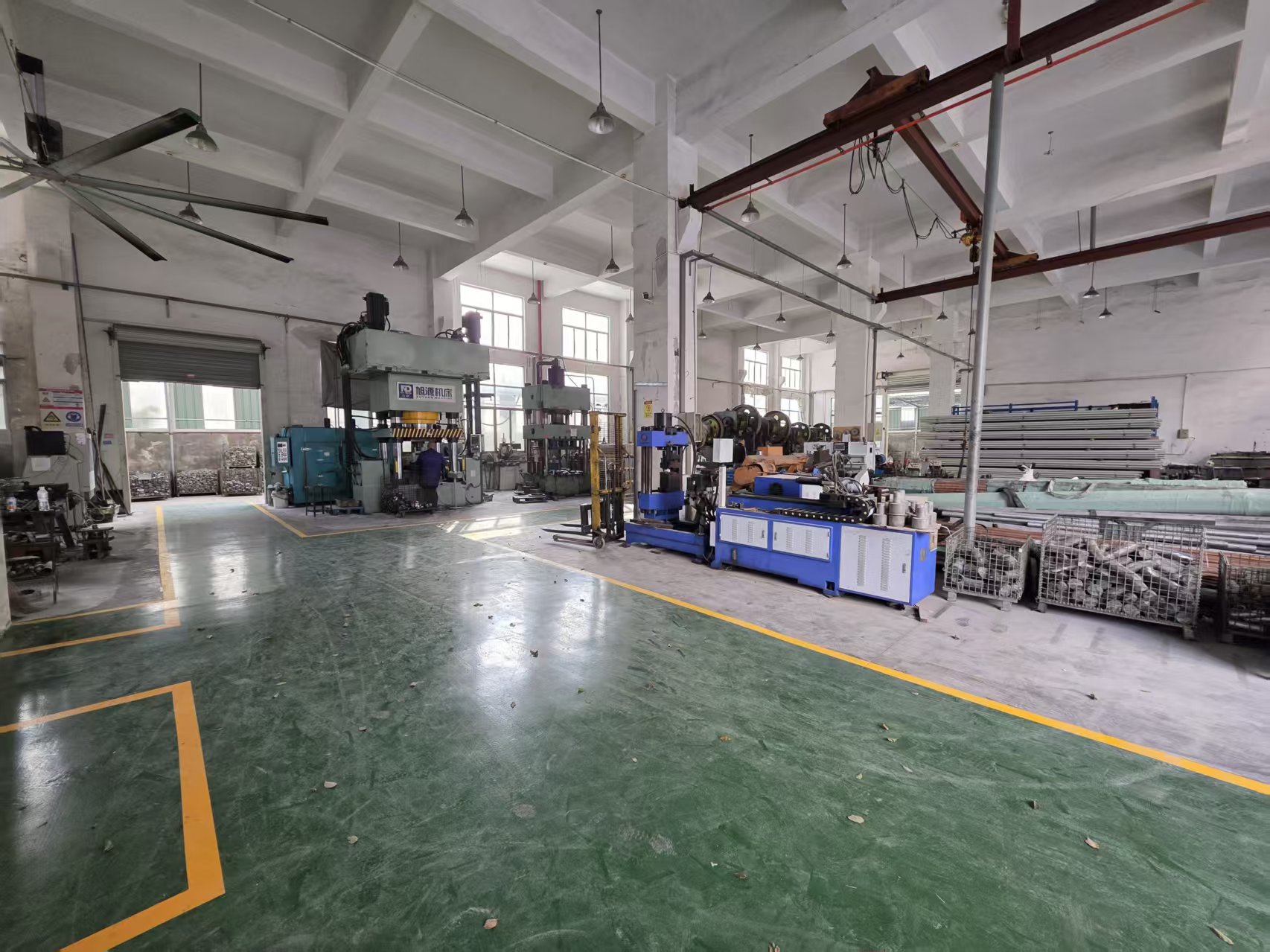
Over time, we will share more of the actual manufacturing processes behind our copper and aluminum conductive components, including Molds, forged blanks, extrusion processes, CNC machining and real production cases.
For engineers, purchasing teams and product developers, we believe seeing how a component is actually manufactured can be more useful than simply seeing the finished product.
This is also why future articles on our website will not only introduce products.
We will share more about the manufacturing challenges behind individual components, the reasons different manufacturing processes are selected, and what we learn from actual production.
If you are developing a new copper or aluminum conductive component for medium- or high-voltage electrical equipment, or looking for a manufacturing partner for an existing design, you are welcome to send us your drawings for evaluation.
Yuhuan Botai Electric Co., Ltd.
Customized Copper & Aluminum Conductive Components for Medium- and High-Voltage Electrical Equipment